


Commercial kitchens in urban development’s often operate within tight spatial constraints, especially in basements or retrofitted buildings. In such environments, integrating effective kitchen exhaust systems without compromising performance can be a significant challenge.
Low-height ecology units have emerged as a practical solution, offering efficient air filtration and odor control while fitting within limited vertical space. For project teams working with an experienced ecology unit manufacturer, these systems provide a way to balance compliance, performance, and spatial limitations.
The challenge of limited installation space
Basement kitchens and compact service areas typically have restrictions on ceiling height, duct routing, and equipment placement. Standard exhaust systems may require vertical clearance that simply isn’t available.
This creates issues such as:
- Difficulty in installing full-scale filtration systems
- Compromised airflow due to constrained duct layouts
- Challenges in meeting regulatory requirements for exhaust treatment
Low-height ecology units are designed specifically to address these limitations without reducing system effectiveness.
What makes low-height ecology units different
Unlike conventional systems, low-height ecology units are engineered with a compact vertical profile while maintaining multi-stage filtration capabilities. Despite their reduced height, these units still incorporate:
- Grease filtration stages
- Fine particulate filtration
- Odor control mechanisms, such as carbon filters
This allows them to deliver the required air treatment performance within a smaller footprint.
Performance in basement and enclosed environments
Basement kitchens often have limited natural ventilation, making mechanical exhaust systems essential. Poorly designed systems can lead to heat buildup, odor issues, and non-compliance with air quality standards. Low-height ecology units help maintain:
- Effective removal of grease-laden air
- Consistent airflow even in confined spaces
- Compliance with air quality and environmental regulations
Their compact design ensures that performance is not compromised by spatial constraints.
Integration with existing duct systems
In retrofit projects or space-restricted developments, integrating new systems with existing ductwork can be complex. Low-height ecology units offer greater flexibility in such scenarios.
They can be:
- Installed within ceiling voids or service areas
- Integrated into horizontal duct layouts
- Adapted to suit existing building constraints
Working with a specialized ecology unit manufacturer ensures that the system is properly designed to match both space availability and airflow requirements.
Supporting compliance without design compromise
Commercial kitchen exhaust systems must meet strict environmental and safety standards. In many cases, space limitations make it difficult to install conventional systems that meet these requirements. Low-height ecology units provide a practical alternative, allowing projects to achieve compliance without major structural modifications or design compromises.
As urban developments continue to prioritize space efficiency, the demand for compact yet high-performance HVAC solutions are increasing. Low-height ecology units offer a reliable approach to managing kitchen exhaust in challenging environments.
Trosten Industries supports projects with advanced ecology unit solutions designed for performance, compliance, and adaptability, making them well-suited for basement kitchens and space-constrained installations.
Tags: Ecology Unit, Ecology Unit Manufacturer in UAE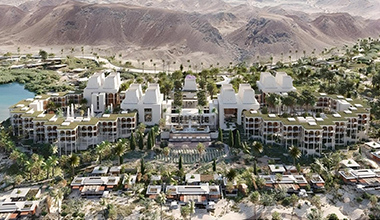 Four Seasons Hotel, Amaala, KSA.
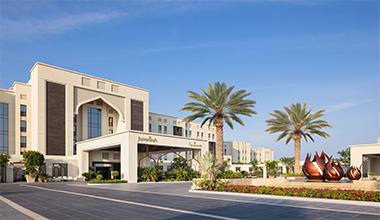 Jumeirah Gulf of Bahrain Resort & Spa, Bahrain.
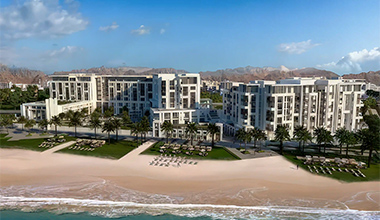 Shatti Al Qurum Hotel & Apartments Muscat, Oman.
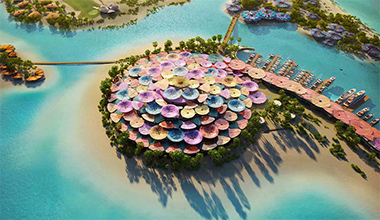 Central Hotel 2 & 3, Hotel East Trail 2 Shurayrah Island, Red Sea, KSA.
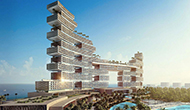 Royal Atlantis Resort & Residences, Palm Jumeirah, Dubai.
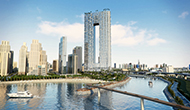 The Address Residences Jumeirah Resort & Spa, Dubai Marina, Dubai.
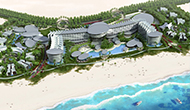 Jumeirah Saadiyat Island Beach Resort, Abu Dhabi.
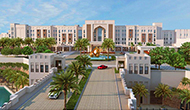 Jumeirah Al Sahel Hotel & Resort,
 InterContinental Hotel
 Vida Hotel & Residences, Dubai Marina
 Rove At the Park,
 Warner Bros. Themed Hotel,
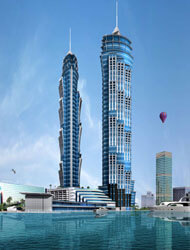 J W Mariott Marquis
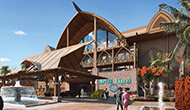 Lapita Parks and Resorts, Dubai.
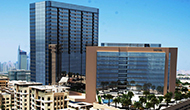 Zabeel House by Jumeirah,
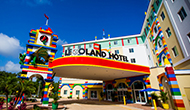 Legoland Hotel,
 Revier Hotel, Business Bay.
 The One Jumeirah - Jumeirah Village Circle (JVS Boulevard Tower - Jumeirah Village South).
 Al Wathba Desert Resort.
 Aloft Hotel & Element Serviced Apartments @ Al Gharoud, Dubai.
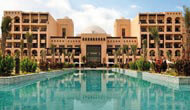 Hilton Ras Al Khaima Resort & Spa, Ras Al Khaimah.
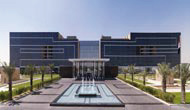 Fairmont - Bab Al Bahr, Abu Dhabi.
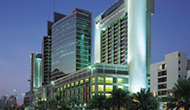 Beach Rotana Hotel Apartments,
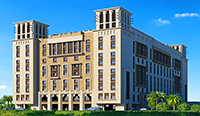 Premier Inn - Al Jaddaf.
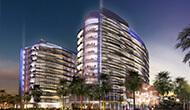 Danat Al Emarat Women and Children's Hospital, Abu Dhabi.
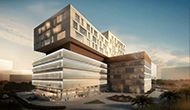 Clemenceau Medical Center, Dubai Healthcare City Phase 2, Dubai.
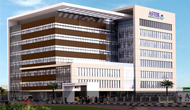 Aster Hospital, Al Qusais Ind. Second, Dubai.
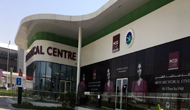 Medcare Medical Centre, Motor City, Dubai.
 King Faisal Specialist Hospital & Research Centre, Riyadh.
 Sheikh Khalifa Medical City, Ajman.
 Burjeel Hospital, Abu Dhabi.
 Welcare Hospital, Dubai.
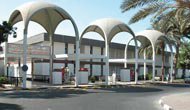 Rashid Hospital, Dubai.
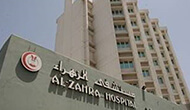 Al Zahra Hospital, Sharjah.
 Naseem Al Rabeeh Clinic, Doha.
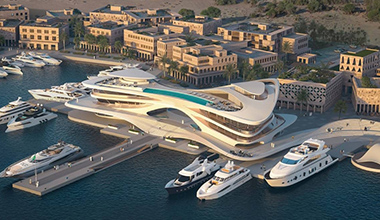 Amaala Triple Bay Yacht Club Amaala, KSA.
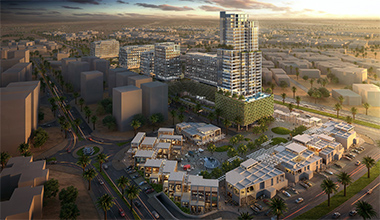 Hessah Al Mubarak District
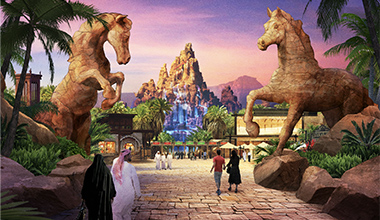 Qiddiya Water Theme Park Riyadh, KSA.
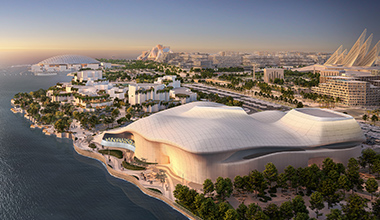 Center of Curiosity, Saadiyat Island, Abu Dhabi.
 Abrahamic Family House, Abu Dhabi.
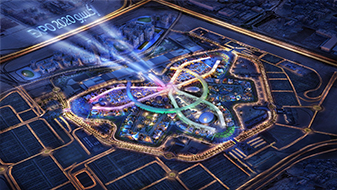 Thematic Districts (T16036),
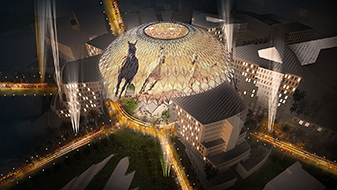 Al Wasl Plaza, Dubai Exhibition City, Dubai.
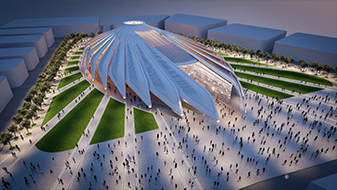 UAE Pavilion, Expo 2020, Dubai.
 Federal Supreme Court, Abu Dhabi.
 Parsons Regional Headquarters,
 Masdar Visitor Centre, Masdar City, Abu Dhabi.
 Lulu Staff Accommodation, Musaffah, Abu Dhabi.
 Empower Head Quarters at Jaddaf, Dubai.
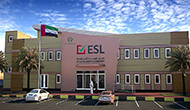 Emirates Safety Lab (Fire Test Lab), Al Warsan, Dubai
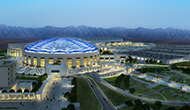 Oman Convention Centre, PKG - 03, Muscat.
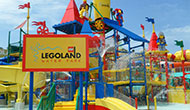 Legoland Water Park.
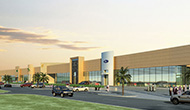 Al Tayer Motors Showroom - Al Hamra (Auto Village).
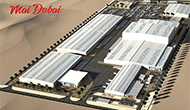 Mai Dubai Expansion, Dubai.
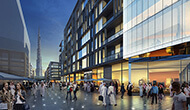 Residential Blocks (City Walk)
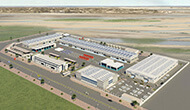 DEWA - Construction of Garage,
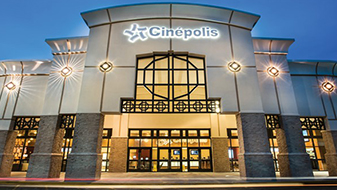 Cinepolis - Oman Avenues Mall, Boushar, Oman.
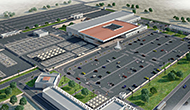 KLTT Slaughter House, Kuwait.
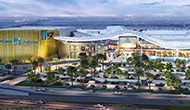 VOX Cinemas at Al Zahiya City center, Sharjah.
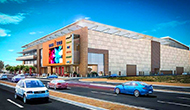 Cinepolis in Oasis Mall, Sharjah.
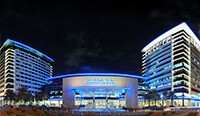 Dubai World Trade Centre Exhibition Halls, Dubai.
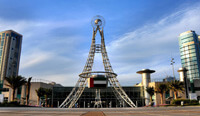 Sharjah Expo Centre Expansion.
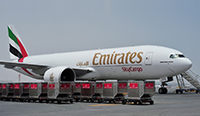 Emirates Sky Cargo @ DWC.
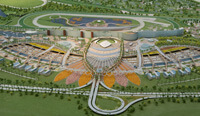 Meydan Racing District, Dubai.
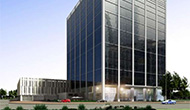 One JLT Tower.
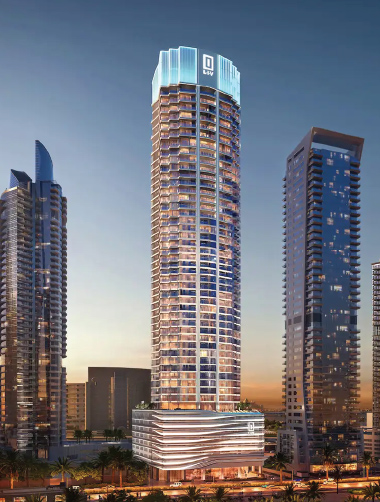 LIV Marina Tower, Dubai.
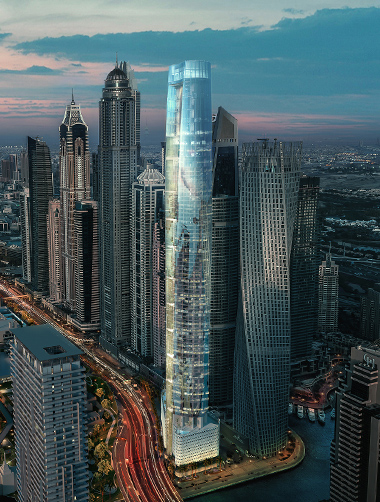 Ciel Tower, Dubai Marina
 The Address Residences Jumeirah Resort & Spa, Dubai Marina, Dubai.
 Harbour Views - Plot 18,
 Najmat Residential Tower,
 Catamaran Tower 1 & 2 - Seef (Catamaran Complex), Bahrain.
 FEB Tower, Bahrain.
 Harbour Gate - Dubai Creek Harbour,
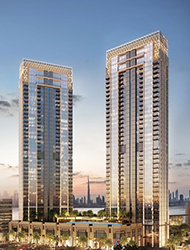 Creekside 18A, Dubai Creek Harbour.
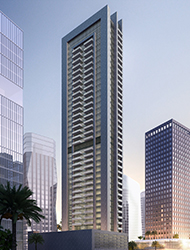 Najmat Towers RR5 - C1,
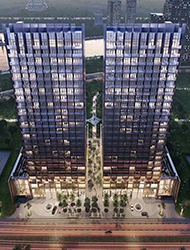 The Sterling East house Plot No. 346-711 & West house 346-712,
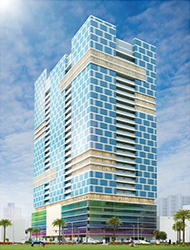 Residential Tower, 3B+G+3P+21 at Plot No. C18 - Corniche Road, Abu Dhabi.
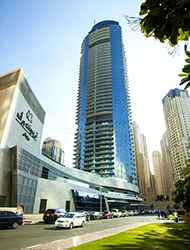 Trident Grand Residence (45 storey), Dubai.
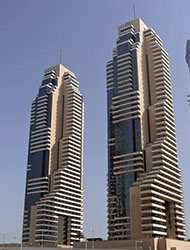 Grosvenor House 2, Dubai.
 Avant Tower - Marinascape
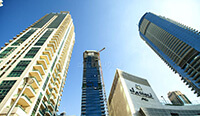 Oceanic Tower - Marinascape
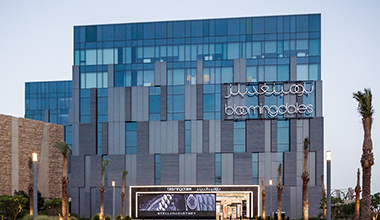 Bloomingdales @ 360 Mall, Kuwait.
 Dubai Hills Estate Mall - Mohammed Bin Rashid City, Dubai.
 Al Maryah Central Mall, Al Maryah Island, Abu Dhabi.
 My City Centre, Masdar City,
 My City Centre, Sur, Oman.
 Sport Society - Mirdif
 Carrefour Al Maza City Center, Egypt.
 The Dubai Mall, Dubai.
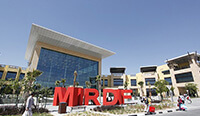 Mirdif City Centre, Dubai.
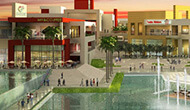 Festival Centre, Egypt.
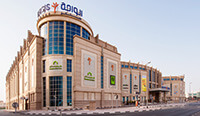 Oasis Centre, Dubai.
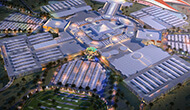 Yas Mall, Abu Dhabi.
 Lulu Hypermarket, Muscat.
 Dalma Mall.
 Fujairah City Centre, Fujairah.
 Lekki Mall.
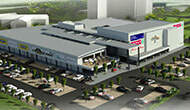 PHC Mall, Nigeria.
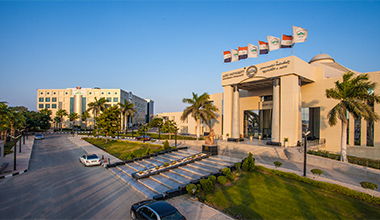 Misr University of Science & Technology, Egypt.
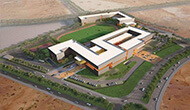 Amity University, Dubai.
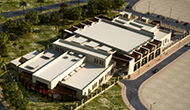 Al Ain Autism Center.
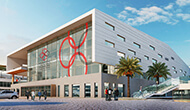 Swiss International Scientific School, Dubai Health Care City 2, Dubai.
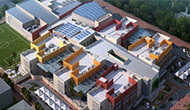 Abu Dhabi Future School Program,
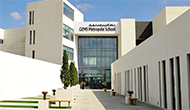 Gems Metropole School - Wadi
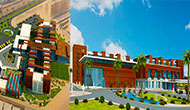 British Canadian Columbia School, Dubai Investment Park.
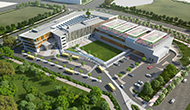 Repton Senior School, Abu Dhabi.
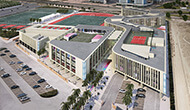 Gems Lincoln Academy @ Al Barsha, Dubai.
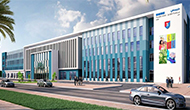 Gems Founders School - Al Mizhar First, Dubai.
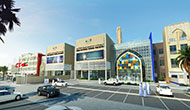 Gems National School for Girls & Arabic Boys School - Al Barsha
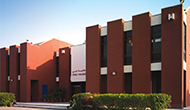 Dubai College Extension, Dubai.
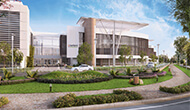 Hartland International School, Dubai.
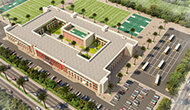 Westminster School, Ras Al Khaimah.
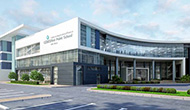 The Villa-Pvt G+3 School Building
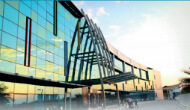 Gems Wellington Academy, Dubai.
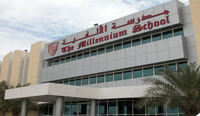 The Millennium School, Dubai.
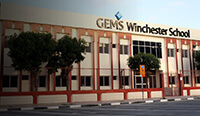 GEMS Winchester School, Dubai.
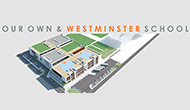 Our Own and Westminster School, Wakrah, Doha.
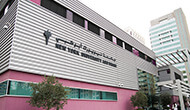 New York University, Abu Dhabi.
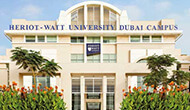 Heriot-Watt University, Dubai.
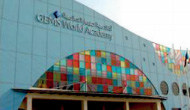 Gems World Academy, Dubai.
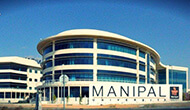 Manipal University, Dubai.
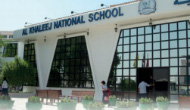 Al Khaleej National School, Dubai.
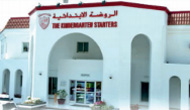 Kindergarten Starters, Dubai.
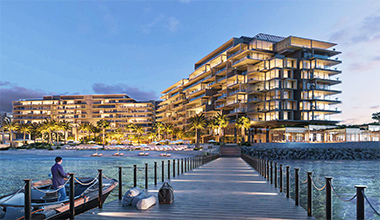 The Palm, Six Senses, Dubai.
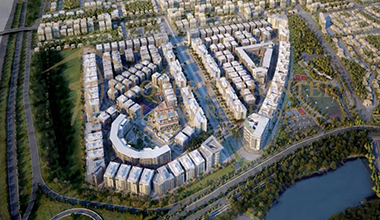 Yasmeen City,
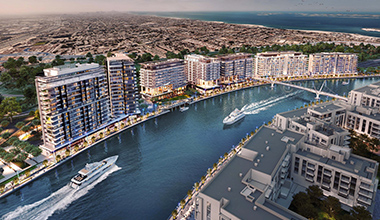 Canal Front Residences, Safa B,
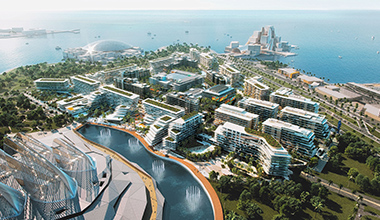 The Grove - Phase 1
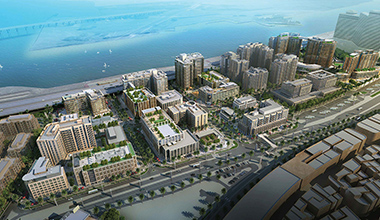 Deira Waterfront Project,
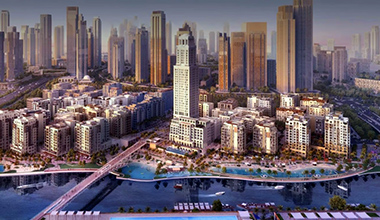 Beach Cluster,
 Neighborhood One & Two Residences - Masdar City, Abu Dhabi.
 IMPZ Midtown by Deyaar, Dubai.
 Mohammed Bin Rashid Al Maktoum (MBR) City - Show Mansions,
 Mirdiff Hills – Janayen,
 TROJAN Holding Labour Camp
 Canal View – Dilmunia, Manama, Bahrain.
 Green Community (Phase 2 - Villas & Phase 3 Villas / Apartments)
 Marassi Residences, Bahrain.
 Centurion Residences, Dubai Investment Park 2, Dubai.
sf.jpg) 469 Villa Complex - The Saadiyat Point - Saadiyat Island
469 Villa Complex - The Saadiyat Point - Saadiyat Island 256 Villa Complex, G+1 - Musaffah, Abu Dhabi.
 Emirates Staff Accommodation, B+G+8 at Plot No. 645-8118, AlMazan, Block 5, Dubailand, Dubai.
 Nakheel Badrah Development - Dubai Waterfront, Dubai.
Comments are closed here.